

Three months later, my diary was full with contracted clients. That’s what well-targeted LinkedIn content does when it is built around a real strategy.
This article covers how that model works for B2B businesses looking to generate leads organically through LinkedIn management services and B2B social media management, without relying on paid ads.
Why LinkedIn is the right platform for B2B lead generation
Four out of five LinkedIn members drive business decisions at their companies. That’s your audience – and that’s what makes LinkedIn different from every other social channel.
It’s where buyers go to research suppliers, validate expertise and decide who they trust, often before a conversation has started.
80% of B2B social media leads come from LinkedIn. The gap between leads generated on LinkedIn versus other platforms is not even close. LinkedIn’s visitor-to-lead conversion rate sits at 2.74%, nearly three times higher than Facebook or X – a meaningful signal when deciding where to focus your attention.
Fewer than 3% of UK LinkedIn users post in any given month. Showing up with consistent, genuine content already puts you ahead of most competitors in your space.
Personal profiles tend to generate far more engagement than company pages, with some data putting the difference at up to 8x.
That gap shapes the approach we take with every client, and it is worth keeping in mind as you read the rest of this article.
LinkedIn lead generation starts with strategy, not content
Before we write a single post for a new client, we run a strategy session. I call it the ‘Post-it Note Plan’.
Three questions, all requiring specific answers.
What are you trying to achieve?
Not a vague ambition like “more awareness.” Decide on a commercial outcome: a type of client, a specific sector or a tender process you want to be considered for.
Who do you need to speak to in order to achieve that?
Think deeper than “decision-makers” or “businesses in the UK.” Which industries, which seniority levels and which specific challenges do they face?
How do you want them to think of you, and what do you want to be known for?
Pick two or three things and stay there – these become your content pillars. I post about social media management, sharing insight and real lessons from client work so I come to mind when someone in my network is in the market for social media management or consultancy.
This framework sits at the heart of how to stand out on LinkedIn.
When Houghton Hams came to us, they were a 40-year-old Northampton food producer with no social media presence at all.
Before a single post went live, we ran a strategy workshop and built content pillars around their story and their B2B audience.
That work produced 929% more engagements in year one versus the previous year.
What to post on LinkedIn (and how often)
The most common mistake is treating LinkedIn like a broadcast channel: post something, hope it lands, repeat.
Instead of hitting and hoping, post twice a week about what you want to be known for and protect the time to do it.
I block out one hour every week to plan and write content and encourage everyone I consult to find their own equivalent rhythm. The specific time matters less than having one and keeping it.
Posting once a week is a solid starting point. Twice a week works well when there’s strong content to share. Posting every day without a proper strategy is almost always counterproductive.
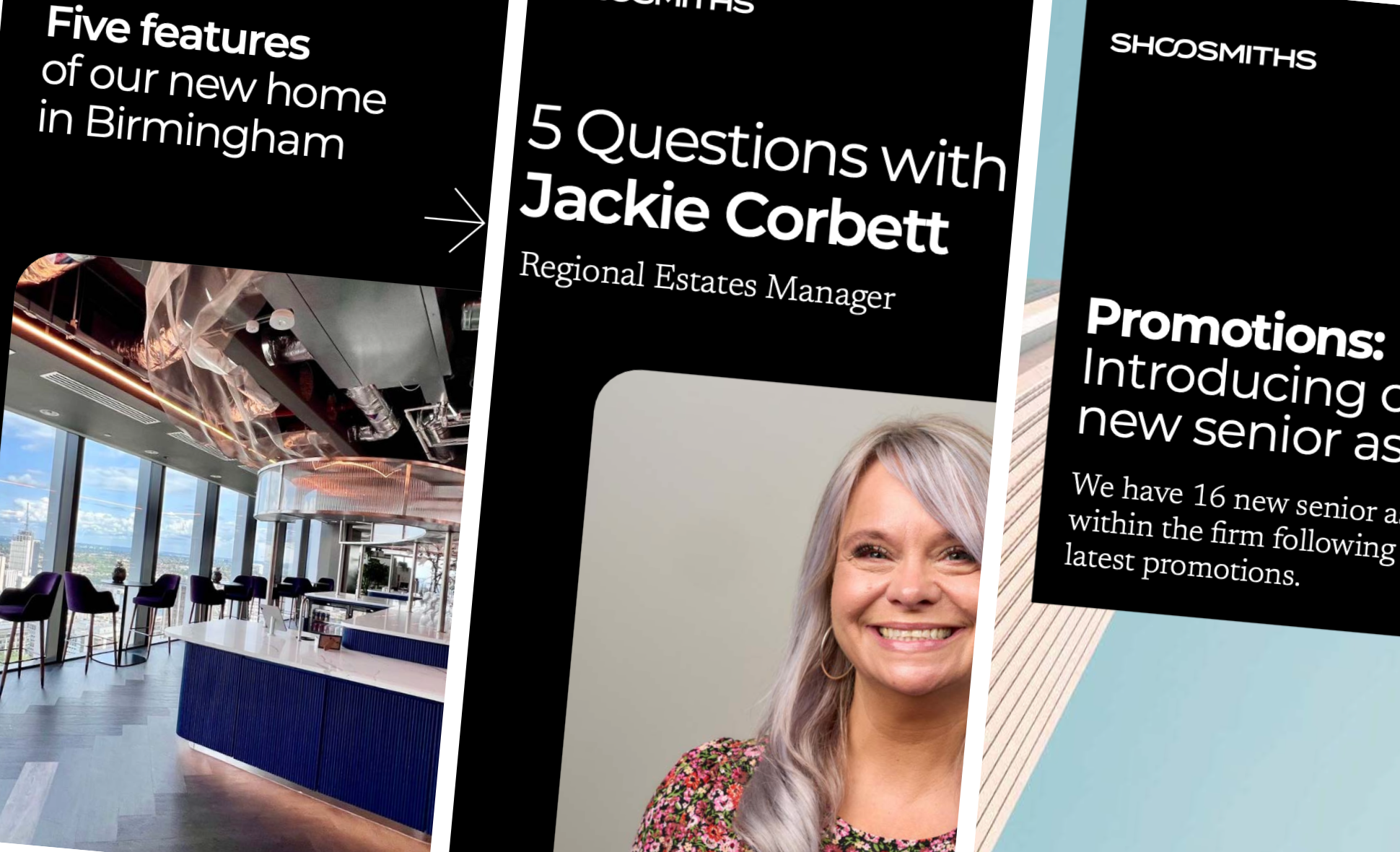
The best proof of that is Shoosmiths.
We reduced their posting frequency by 43% and every engagement metric improved. Quality over volume is the model and the data during my time at Shoosmiths backs it.
LinkedIn does not want to push users off-platform, so posts that keep people on LinkedIn tend to get more reach. If you have existing content to draw from, there is a structured way to repurpose it for LinkedIn without it feeling recycled.
If you don’t have time to keep on top of social media, read my guide to LinkedIn Management Services for Business Leaders, covering what LinkedIn management involves and when it’s right for your business.
w
Not sure where to start with your content?
The free LinkedIn content planner uses the same planning framework we use to build a whole month of content at a time for clients.


Personal profiles vs company pages: Which one generates leads?
This question comes up with almost every new client. The honest answer: both matter, but the personal profile is where LinkedIn shines for lead generation.
LinkedIn’s algorithm treats personal content as more authentic. People follow brands but engage with people.
My personal LinkedIn is the reason Social with Ryan exists. Clients find me through my content, not through the company page.
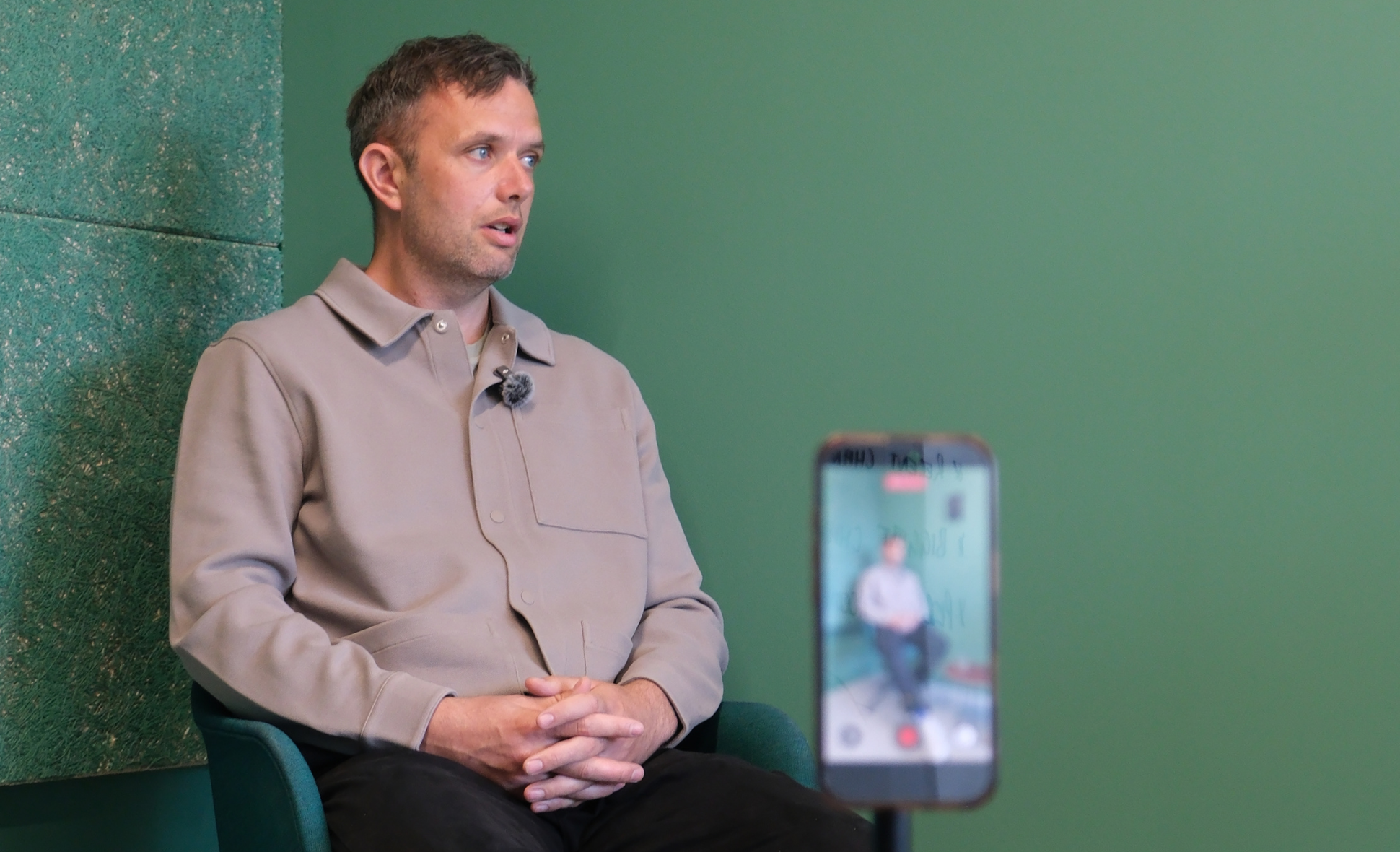
The clearest illustration of this is Michael Line, Managing Director of JTR Collections.
After nine months of consistent managed content on his personal profile, over half his audience was at Senior or Director level, with Government Administration and Financial Services making up more than 40% of his following – exactly the sectors JTR needs to reach.
At an industry conference, a prospective client walked up to Michael because she’d seen one of his LinkedIn posts. The post was about how he’s selective in the contracts JTR tender for.
She invited JTR to tender because she was worried they wouldn’t apply. The content had done the work before the conversation started and it led to a great opportunity.
Still, it’s important to remember that company pages matter as a credibility check.
When a prospect is hooked by your content, your company page is likely one of the next places they visit. Company pages are great to build credibility, but they rarely drive the conversations that become clients.
If you want to build the company page in parallel, our guide on how to grow your LinkedIn company page covers that in more detail.
Conversations convert more than content
This is what gets missed in most LinkedIn lead generation content.
The mechanism isn’t impressions or follower counts. It’s what happens when someone has seen your content consistently enough that they already trust you before you’ve ever spoken.
Content builds visibility. Visibility builds familiarity. Familiarity becomes trust.
And trust is what creates commercial conversations.
There’s no shortcut to that process – the Michael Line story is the clearest proof of the model working.
He was posting consistently about his work and his sector, without running ads or cold prospecting. A prospective click saw one of his posts, sought him out at a conference, and invited JTR to tender because she’d already made up her mind.
He was also elected Vice President of CIVEA around this time. His peers in the industry voted for him, which would have been supported by the strength of the professional profile he has built.
Engagement matters as much as posting. Respond to comments, be present in your target audience’s feed beyond your own posts and start conversations rather than waiting for them.
When the content has already done the trust-building, the DM isn’t a cold pitch but a natural continuation.
Where employee advocacy on LinkedIn is the right fit, multiple people posting consistently from the same business means your content is reaching different corners of the network simultaneously.
The visibility compounds in a way a single profile can’t achieve without years of growing an audience.
What realistic results look like
LinkedIn lead generation is a long-term visibility strategy and honest expectations are part of how we start every client relationship.
Expect three to six months of consistent activity before meaningful visibility builds, and six to 12 months before inbound leads begin to flow naturally.
For context, Houghton Hams, a 40+ year old traditional food business with little prior social presence, produced 134% follower growth, 379% more impressions and 929% more engagements in year one.
And Shoosmiths built 1.5 million organic impressions per year and 118% LinkedIn follower growth across two years of managed activity.
The metrics worth tracking:
- Impressions show how visible you are
- Engagements show whether the content is landing
- Profile views show who is paying attention
- And meaningful conversations are the leads
None of them tell the full story in isolation.
Lead Generation on LinkedIn: FAQs
Meaningful visibility tends to build within three to six months of consistent posting. Leads that come from content often start to arrive naturally around the six to 12 month mark.
The timeline depends on starting audience size, existing trust levels and the level of investment. The more you put in, the more you get out.
I built Social with Ryan entirely without paid ads. Our B2B social media management approach is built on organic content and conversation. Paid ads can complement an organic strategy, but they are not a substitute for one.
The relationships built through consistent content and quality conversations tend to be much warmer than those generated through paid campaigns.
Personal profiles almost always generate more reach and more leads while the company page acts as the credibility check when someone looks you up. Running both in parallel, with the personal profile as the primary focus, is the approach we recommend.
Two to three times a week is the right range for most B2B businesses and I usually post at that frequency myself. The 43% reduction in posting frequency at Shoosmiths produced better results across every engagement metric. Consistency over time matters far more than volume.
Content that draws on real experience, shares genuine feeling, demonstrates clear expertise, and is written with a specific audience in mind. Posts that keep people on LinkedIn tend to reach further than those driving traffic elsewhere.
LinkedIn management support
If you want to build a LinkedIn presence that generates consistent leads, our LinkedIn personal branding and management services are a good place to start.
For fully managed activity across channels, our done-for-you social media management covers that too.